Regional Council Approaches Define Licensing Pathways for Hybrid Bingo-Slot Venues Across UK Areas
Quinn Lehmann · Aug 24, 2026
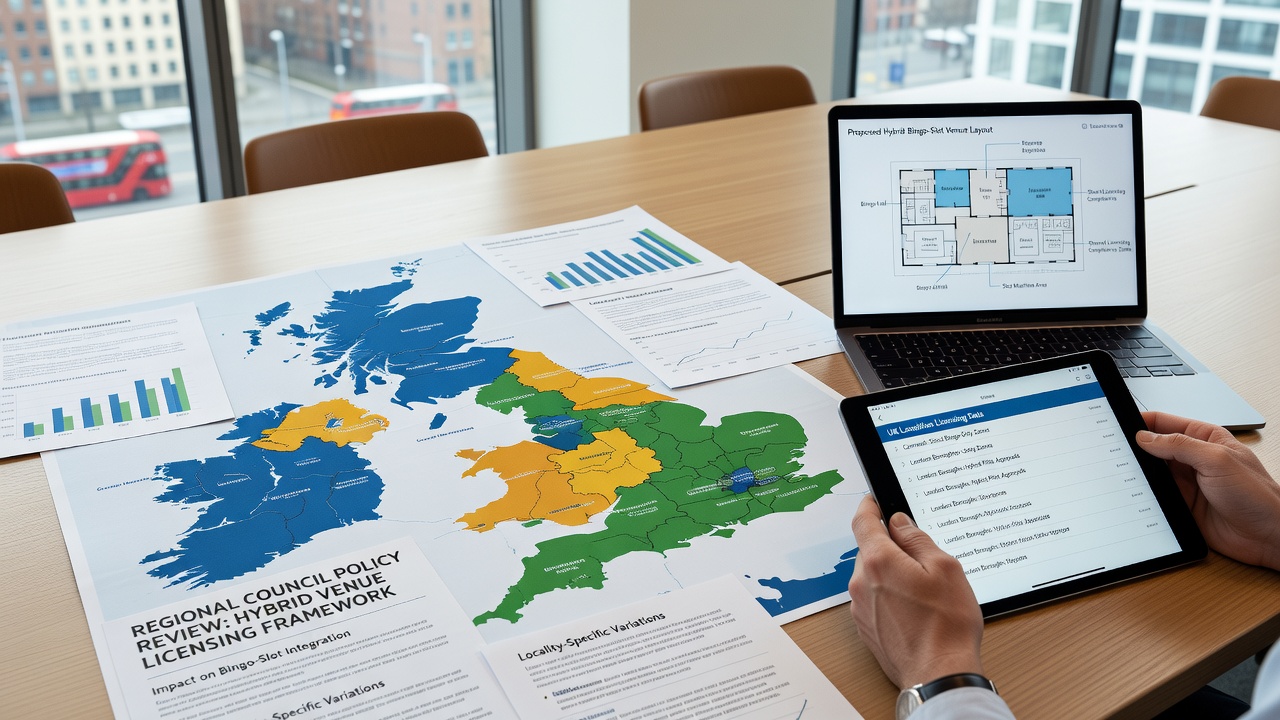
Regional Council Approaches Define Licensing Pathways for Hybrid Bingo-Slot Venues Across UK Areas
Hybrid bingo-slot venues combine traditional bingo sessions with electronic slot terminals, and regional councils across the UK apply distinct policy frameworks when reviewing licensing applications for these mixed-use sites; data from multiple local authority records shows that approval rates vary significantly depending on zoning rules, community impact assessments, and noise control measures adopted by each council.
Policy Variations by Locality
Councils in urban centres often prioritise economic regeneration targets when evaluating applications, whereas rural authorities focus more on preserving residential amenity and limiting operating hours; Birmingham City Council documentation indicates that hybrid venues must demonstrate integration with existing leisure districts, while authorities in smaller market towns require detailed traffic flow studies before granting permits.
Observers note that these differences stem from individual council development plans rather than a single national template, and figures released by several planning departments reveal that premises in northern England face stricter capacity caps compared with those in the southeast where tourism considerations sometimes carry greater weight.
Key Licensing Criteria
Most councils examine applicant proposals against local statements of licensing policy that cover player protection measures, staff training requirements, and premises layout standards; applications submitted in August 2026 will encounter updated guidance in several regions that incorporates new data on footfall patterns and evening economy management.
Evidence from council committee minutes shows that successful applications typically include robust security protocols and clear separation between bingo and slot areas, while rejected proposals often lack sufficient detail on responsible gambling signage and age verification systems.
Examples from Different Regions
One case in the Midlands involved a hybrid venue that received approval after agreeing to cap slot machines at forty units and close by midnight on weekdays, whereas a similar application in a coastal town was declined because planners determined the site sat too close to family-oriented retail zones.
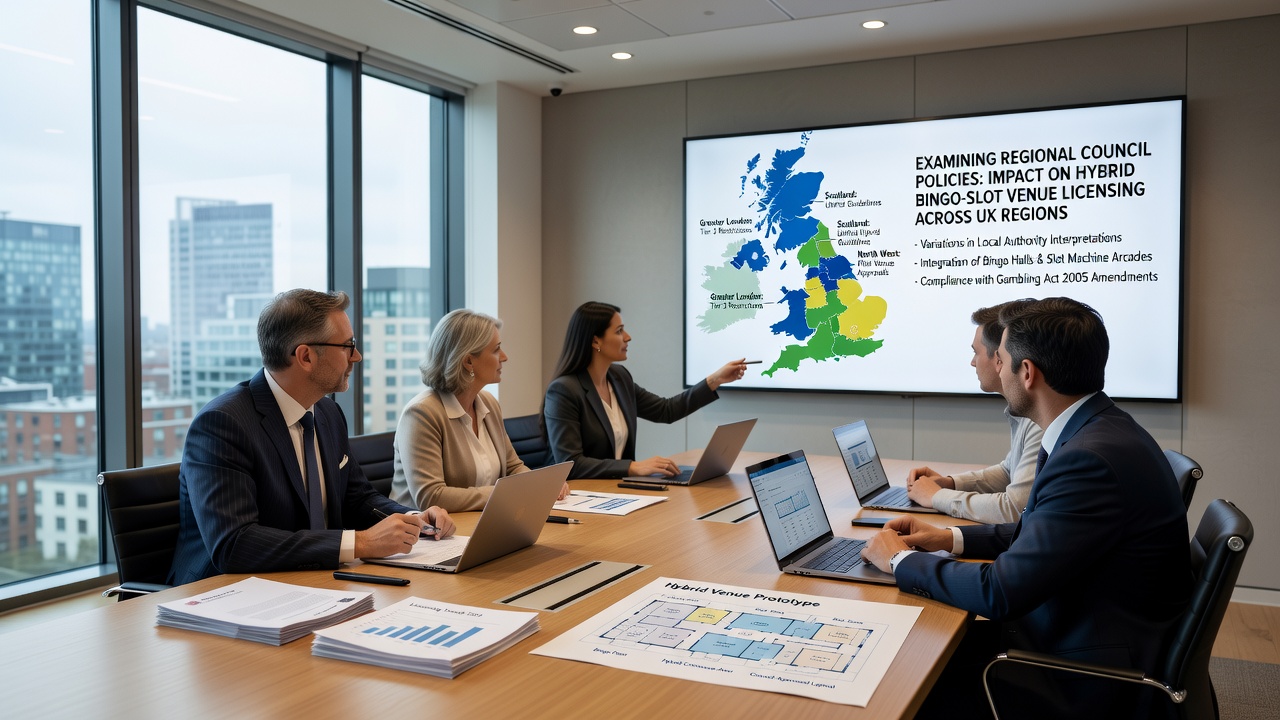
Scottish local authorities apply additional considerations around alcohol licensing that interact with gambling permissions, and reports from Edinburgh and Glasgow planning offices demonstrate how joint committee reviews can extend decision timelines by several months; Welsh councils, by contrast, have published streamlined checklists that applicants use to address cultural and linguistic requirements in their submissions.
Recent Developments in 2026
Records from multiple planning portals indicate that hybrid venue applications increased during the first half of 2026, prompting several councils to revise their supplementary planning guidance on leisure uses; these updates often reference data collected by local transport authorities on late-night travel patterns and parking demand.
Industry bodies such as the Local Government Association have compiled case summaries that illustrate how policy wording influences outcomes, and academic researchers at the University of Manchester have examined spatial distribution patterns of approved sites across Greater Manchester and surrounding boroughs.
Community Consultation Processes
Public consultation periods form a standard part of the licensing route, and council records show that objections frequently centre on concerns about anti-social behaviour and increased foot traffic after 10pm; applicants who incorporate resident feedback into revised operating schedules tend to progress more smoothly through committee stages.
Those who've reviewed multiple application files observe that digital submission platforms adopted by larger councils allow real-time tracking of consultation responses, while smaller authorities still rely on paper-based systems that can lengthen overall processing times.
Conclusion
Regional council policies continue to shape the licensing landscape for hybrid bingo-slot venues through locally tailored criteria that address zoning, community impact, and operational safeguards; the variation across UK localities produces different approval thresholds and application requirements that operators must navigate on a case-by-case basis. Data from planning departments and research institutions shows that outcomes depend on alignment with each council's specific development priorities and consultation results.