Referral Networks Altering Bonus Frameworks and Growth Tactics at Online Gaming Sites
Iris Günther · Aug 1, 2026
Referral Networks Altering Bonus Frameworks and Growth Tactics at Online Gaming Sites
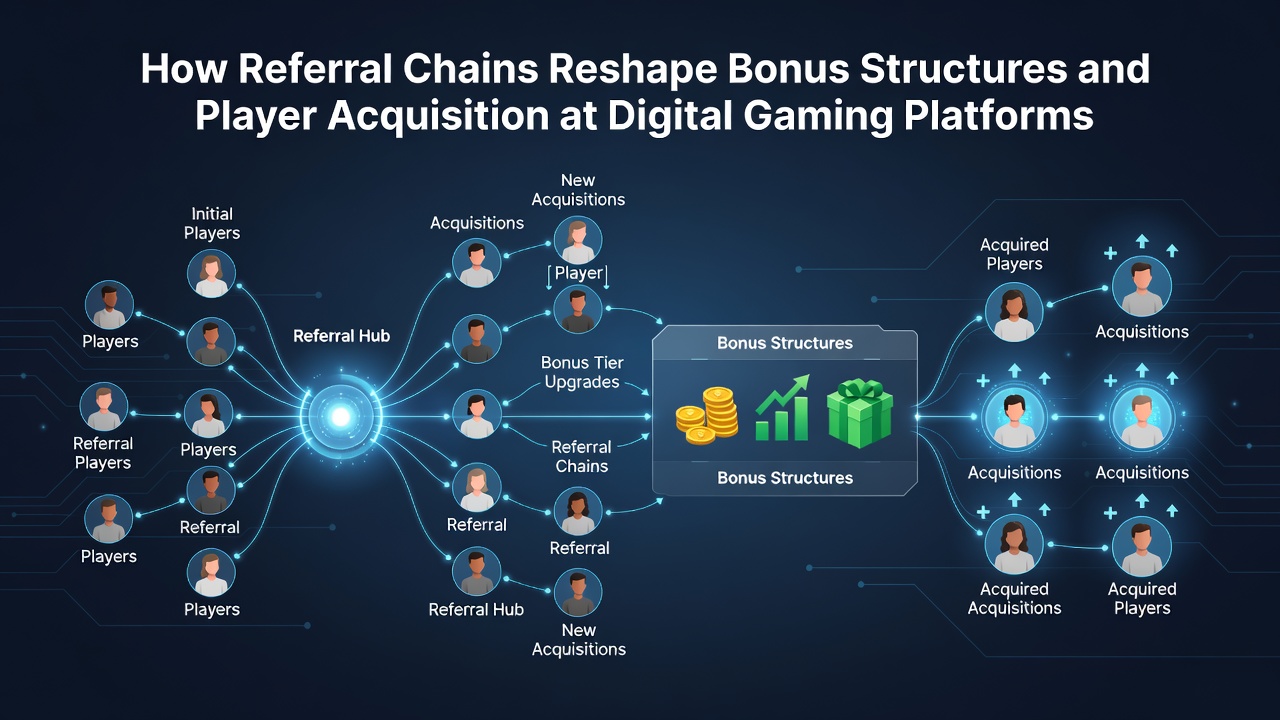
Referral chains operate through layered invitation systems where existing users recruit new participants who then extend the sequence onward, and this structure directly influences how digital gaming platforms configure their bonus offerings while expanding user bases at scale. Platforms track these chains via unique codes or links that credit rewards across multiple tiers, which means initial sign-up bonuses often scale based on the depth of the referral network rather than single-user actions alone.
Mechanics Behind Multi-Level Referral Systems
Operators design these programs so each new recruit unlocks tiered incentives for the original referrer, and subsequent recruits create additional payout branches that compound over time. Data from platform analytics shows chains typically span three to five levels before activity tapers, yet the cumulative effect on bonus pools grows exponentially because each layer triggers fresh deposit matches or free credits. Those who've examined operator dashboards note that the software automatically adjusts bonus eligibility when a chain reaches certain thresholds, such as five active recruits within thirty days.
Platforms in North America and Europe have integrated these mechanics into loyalty engines, which allows simultaneous tracking of both direct and indirect referrals without manual intervention. According to reports from the American Gaming Association, such systems increased average user lifetime value by reallocating bonus budgets away from mass advertising toward performance-based rewards tied to chain performance.
Adjustments to Bonus Structures Triggered by Chains
Bonus structures evolve when referral chains become central to acquisition because platforms shift from flat welcome offers to progressive rewards that activate only after recruits complete wagering requirements. This change reduces upfront costs while encouraging sustained engagement across the network, and operators now cap single-user bonuses but expand total rewards available when multiple chain members qualify together. Research from industry reports indicates that deposit bonuses in chain-enabled programs frequently include shared multipliers, where the entire group receives enhanced percentages once collective deposit volumes hit predefined marks.
Free spin allocations and cashback percentages also adjust dynamically, with higher tiers unlocked as chains lengthen, which creates natural progression paths that keep participants invested. Observers note that these modifications align bonus spend more closely with actual revenue generated through referred traffic rather than broad promotional campaigns.
Effects on Player Acquisition Strategies
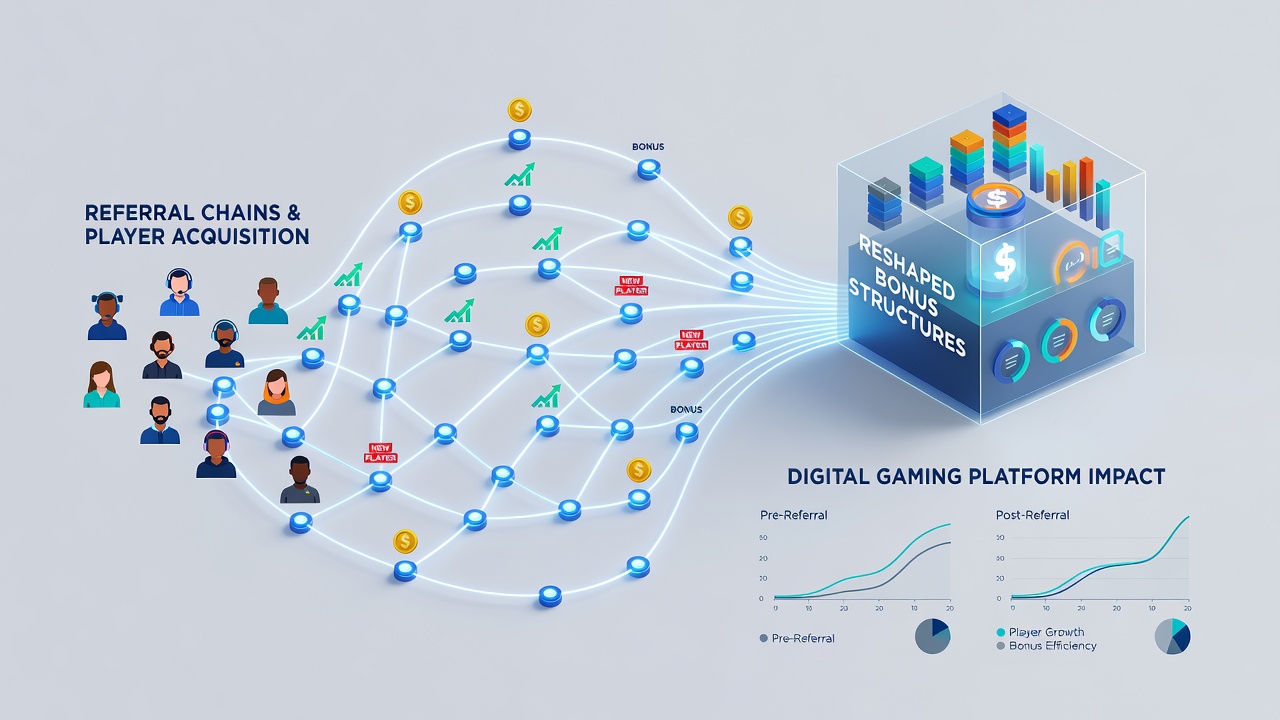
Acquisition teams at digital platforms now prioritize chain seeding over traditional media buys because each successful recruit multiplies reach at lower marginal cost. Campaigns focus on high-engagement users who demonstrate strong social connectivity, and these individuals receive elevated initial bonuses designed to accelerate chain formation. Figures from Canadian gaming studies reveal that platforms employing chain-focused acquisition saw referral-driven sign-ups rise to 35 percent of total new accounts by mid-2025, compared with 12 percent in prior periods without such structures.
Geographic targeting also narrows because chains tend to cluster within regions where players share similar interests or communities, allowing localized bonus promotions that further boost conversion rates. Operators monitor chain velocity in real time and deploy targeted nudges, such as limited-time double rewards, when momentum slows in specific segments.
August 2026 Developments and Platform Responses
By August 2026 several major operators had rolled out updated chain algorithms that incorporate machine learning to predict which users will extend networks most effectively, and these tools automatically tailor bonus offers to maximize chain longevity. Participation metrics collected across multiple jurisdictions show continued growth in referral-sourced traffic, while standalone acquisition channels experienced relative stagnation during the same window. Platforms adjusted bonus caps upward for chain participants to accommodate larger group rewards, yet maintained strict verification protocols to prevent artificial chain inflation through duplicate accounts.
One study from the University of Sydney's gambling research unit highlighted how these adaptations influenced deposit patterns, with referred users showing higher average first-month activity when bonuses tied directly to chain milestones rather than individual performance. Operators responded by introducing hybrid bonus models that blend personal and network achievements, creating balanced incentives that sustain both direct and indirect recruitment.
Conclusion
Referral chains continue to drive structural changes in bonus design and acquisition efficiency across digital gaming platforms, with operators refining algorithms and reward tiers to align spending with measurable network growth. Data from diverse regulatory environments demonstrates sustained adoption of these systems into late 2026, as platforms balance cost control against expanded reach through interconnected user bases. The approach integrates technology, behavioral tracking, and tiered incentives into cohesive strategies that reshape how new participants enter and remain active within online gaming ecosystems.