Inside the Algorithms: How Random Number Generators Dictate Win Rates at Leading Slot Networks
Harper Walter · Aug 10, 2026
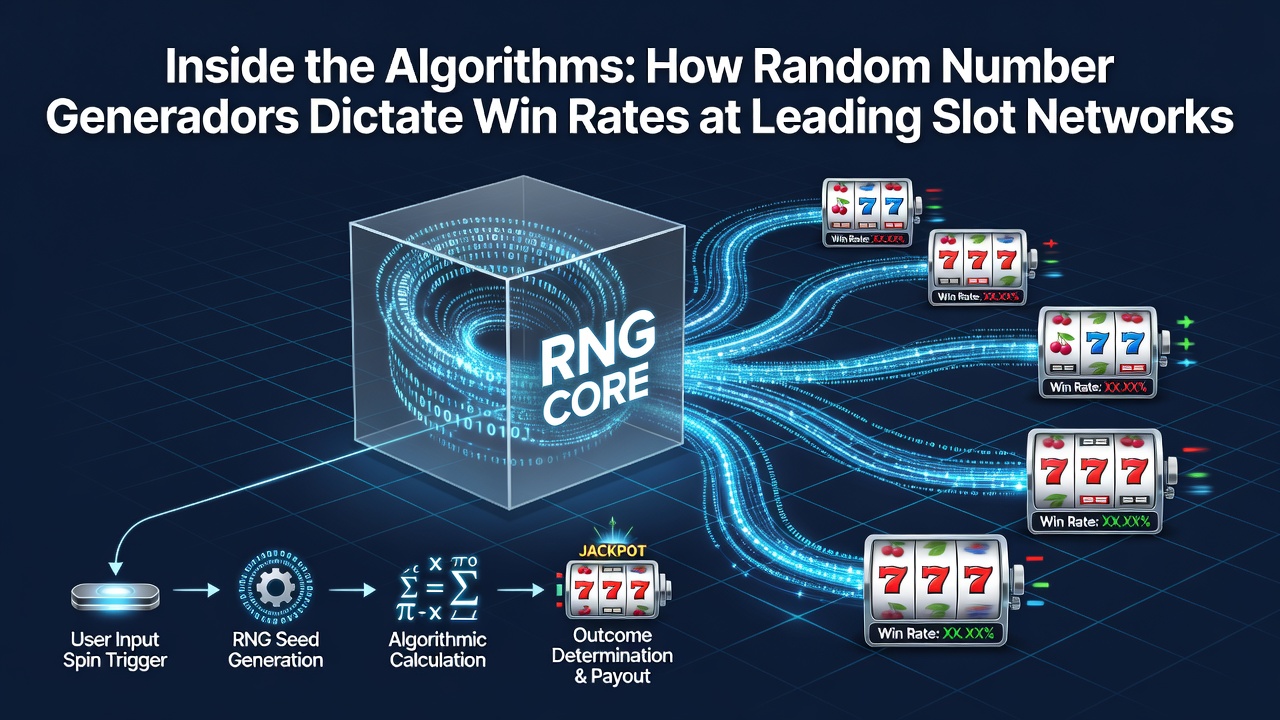
Inside the Algorithms: How Random Number Generators Dictate Win Rates at Leading Slot Networks
The Core Mechanics Behind Slot Outcomes
Random number generators form the foundation of every spin result across major slot networks, producing sequences of numbers that map directly to reel positions and symbol combinations according to pre-set paytables. These systems operate continuously even when machines sit idle, cycling through millions of values per second so that the next activation pulls from an unpredictable point in the sequence. Observers note that true randomness remains impossible in digital environments, which leads operators to rely on pseudorandom algorithms seeded by external entropy sources such as hardware clocks or atmospheric noise.
Data from independent testing laboratories shows that certified RNG implementations must pass statistical suites including Diehard and NIST tests before deployment on commercial platforms. Those who've studied certification records know that failure rates in initial submissions often exceed 30 percent, prompting repeated code revisions until distribution patterns align with expected uniformity. And yet the mathematical distribution alone does not determine player returns.
Return-to-Player Percentages and Algorithmic Calibration
Win rates at leading networks trace back to how developers configure the mapping between RNG outputs and payout structures. A 96 percent RTP setting, for instance, means the algorithm allocates 96 percent of wagered credits back to players over extensive sample sizes while retaining the remainder as house edge. Researchers at institutions such as the University of Nevada, Reno have documented that slight adjustments to virtual reel weighting can shift these percentages by several points without altering the underlying generator code.
Figures released by the Nevada Gaming Control Board indicate that audited slot floors maintained average RTP values between 92 and 98 percent during the 2025 fiscal year, with variations tied to game volatility rather than RNG integrity. What's interesting is how progressive jackpot networks layer additional RNG calls to determine contribution rates and trigger events separately from base game calculations.
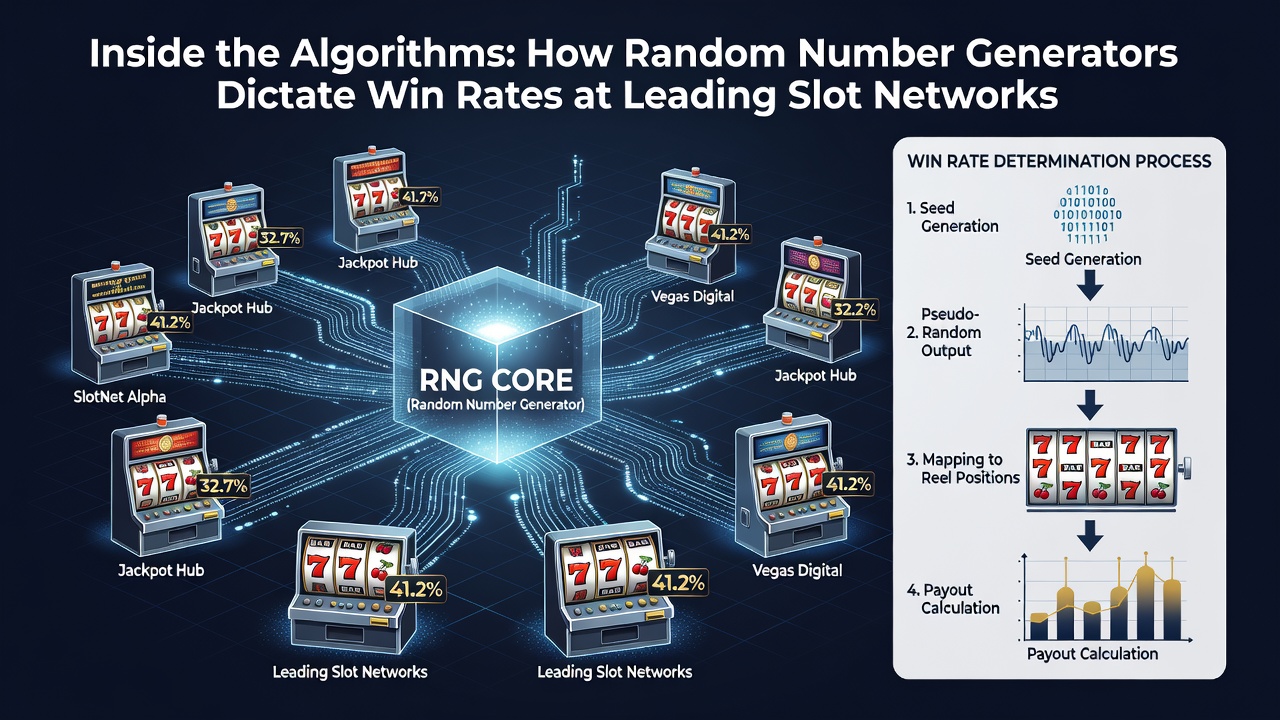
One study revealed that networks operating across multiple jurisdictions must maintain separate parameter sets to satisfy local minimum RTP requirements, creating situations where identical game titles display different long-term returns depending on the player's location.
Certification Standards Across Regions
Regulatory bodies outside the United Kingdom enforce distinct approval pathways for RNG modules. Australia's state regulators require ongoing live monitoring of generator output alongside periodic re-certification, while several Canadian provinces mandate source code escrow with third-party auditors. Those who've examined international compliance reports find that August 2026 deadlines for updated entropy standards have already prompted several major suppliers to integrate quantum-resistant seeding methods ahead of schedule.
Industry organizations such as the Gaming Standards Association publish technical bulletins that detail minimum cycle lengths and reseed intervals, ensuring sequences do not repeat within operational timeframes measured in decades. Turns out these specifications directly influence the perceived fairness of high-volume networks where millions of spins occur daily.
Network-Level Implementation Challenges
Leading slot networks distribute outcomes across centralized servers that feed multiple client devices simultaneously, requiring synchronized RNG streams that prevent prediction even when traffic spikes. External links to research from the Technical University of Denmark highlight vulnerabilities in older linear congruential generators that modern networks have largely phased out in favor of cryptographically secure alternatives like Mersenne Twister variants or AES-based counters.
But here's the thing: even robust generators remain subject to implementation errors during integration, which is why laboratories conduct both theoretical analysis and empirical testing on live platforms. Evidence suggests that discrepancies between advertised and actual RTP most commonly stem from configuration mismatches rather than generator failures themselves.
Conclusion
Random number generators continue to serve as the invisible arbiters of slot network performance, their calibrated outputs shaping everything from individual spin results to aggregate return statistics across global operations. Continued refinement of seeding techniques and statistical validation methods ensures these systems meet evolving technical requirements while maintaining consistent mathematical behavior under regulatory scrutiny.