Betfred Moves to Close 132 High-Street Betting Shops as Tax Increases Take Effect
Ulrich Hughes · Aug 8, 2026

Betfred Moves to Close 132 High-Street Betting Shops as Tax Increases Take Effect
Betfred has confirmed plans to shut 132 of its UK high-street betting shops while cutting more than 600 positions, a move the company attributes directly to rising gambling taxes and ongoing economic pressures. The closures represent roughly 10 percent of the operator's total estate and will leave around 1,100 shops still operating once the process concludes. A formal consultation with affected staff has already begun, and the firm expects the changes to take place over the coming months.
Company statements point to several tax measures that have increased costs, including the Remote Gaming Duty increase scheduled to reach 40 percent from April 2026. Observers note that these adjustments, combined with broader cost inflation, have created conditions where maintaining every location no longer remains viable for the business. Betfred has operated on British high streets for decades, and the scale of the current reduction marks one of the larger adjustments the group has announced in recent years.
Details Behind the Shop Closure Announcement
The 132 locations selected for closure span multiple regions across England, Scotland, and Wales, though the company has not released a full list of specific addresses at this stage. Staff at the affected sites have received notification that their roles are at risk, and the consultation period allows for discussion of redundancy terms, potential redeployment where possible, and support packages. Those who've followed similar industry adjustments in the past often point out that consultations of this type typically run for at least 30 days before final decisions are confirmed.
Figures released by the operator show that the remaining network will still represent a significant physical presence, yet the reduction brings the total shop count down from levels maintained prior to the latest tax changes. Data indicates that footfall and revenue per shop have faced sustained pressure in many locations, particularly where operating costs have risen faster than customer spending.
Tax Changes Cited as Primary Driver
Betfred has identified the upcoming rise in Remote Gaming Duty alongside other duty increases as central factors behind the decision. The Remote Gaming Duty adjustment, due to take effect in April 2026, applies to online activities that many operators now rely upon to offset declines in physical retail. According to statements from the company, the combined effect of these tax rises has narrowed margins to a point where keeping all 132 locations open no longer aligns with financial planning.
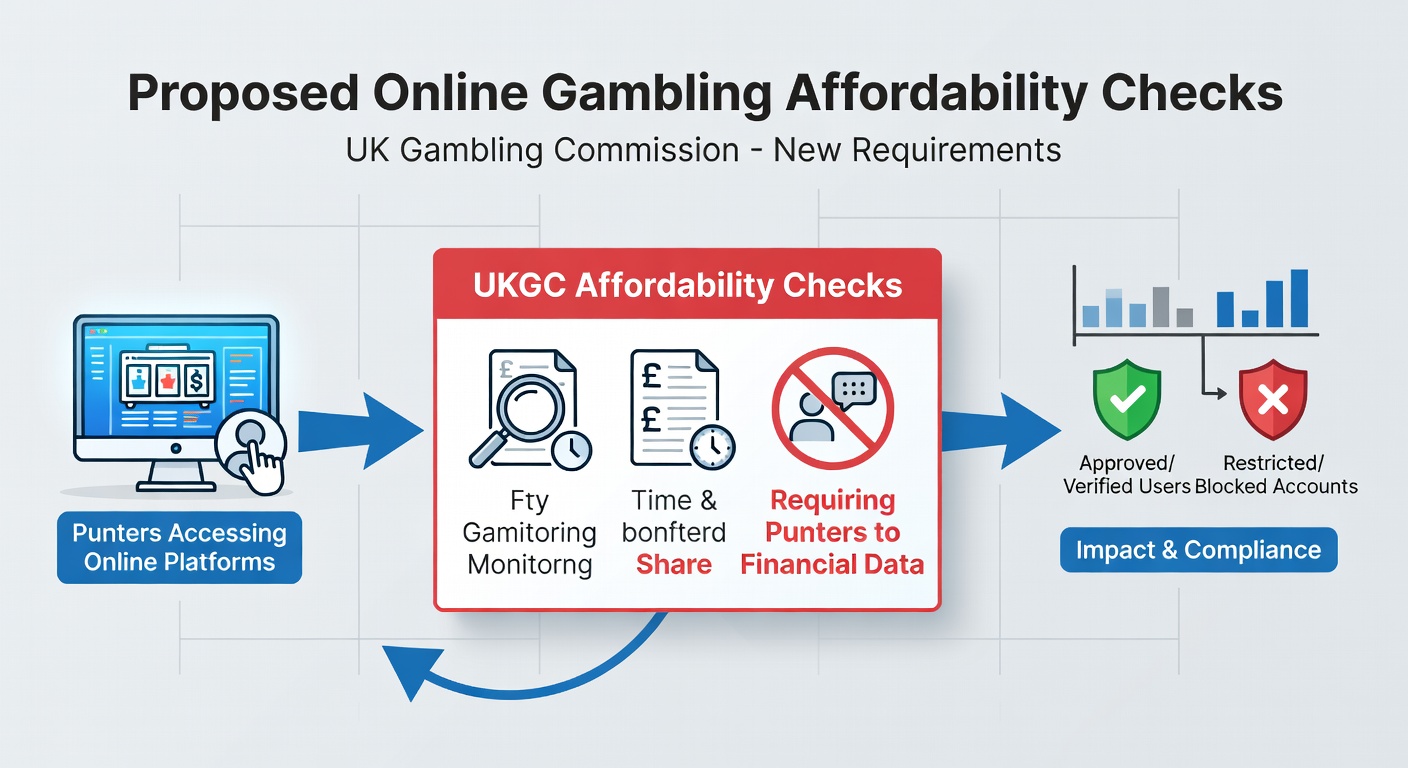
Industry bodies have referenced the same tax measures when discussing sector-wide impacts. The Betting and Gaming Council has highlighted Betfred's announcement as an example of how recent duty increases affect employment and retail footprints. Betting and Gaming Council statements note that operators across the market are reviewing their cost bases in light of the same policy changes. Meanwhile, coverage from major outlets has reported the numbers involved and the company's stated rationale without additional interpretation.
Scale of Job Losses and Regional Spread
More than 600 positions are expected to end once the consultation finishes and closures proceed. Roles affected include betting shop managers, cashiers, and support staff whose daily work centers on the physical locations. The company has indicated that some employees may receive offers at nearby remaining sites, although the total number of available positions will be lower after the reductions. Regional breakdowns have not been published in detail, yet the 132 shops represent a cross-section of urban and suburban sites that have operated under the Betfred brand for varying lengths of time.
Those monitoring employment trends in the retail betting sector have noted that similar job figures have appeared in previous rounds of consolidation by other operators. The current announcement adds to an ongoing pattern where physical retail footprints contract while online platforms expand, a shift that tax policy changes appear to accelerate according to multiple company filings.
Consultation Process and Timeline
Betfred launched the required consultation immediately following the internal decision to reduce the estate. Under UK employment regulations, consultations of this nature must address ways to avoid or reduce redundancies and must consider alternatives to closure where feasible. The company has stated that it will work through the process methodically, with final outcomes expected before the end of the current financial year. Observers familiar with retail betting operations point out that lease terms, staff contracts, and local trading conditions all factor into which specific shops close first.
No immediate changes to online betting services or the company's broader digital offerings have been announced alongside the retail reductions. The focus remains on the high-street network and the associated workforce adjustments.
Industry Context and Responses
The Betting and Gaming Council has used the Betfred example to illustrate the cumulative pressure created by successive tax increases across both retail and remote channels. Reports covering the announcement quote industry representatives who describe the closures as a direct consequence of policy decisions rather than operational failings. Company executives have echoed this view in their public comments, emphasizing that the tax environment has changed the economics of maintaining an extensive physical presence.
Further adjustments to the remaining 1,100 shops have not been ruled out, although current statements focus solely on the 132 sites identified in this round. The operator continues to trade from the unaffected locations while the consultation runs its course.
Conclusion
Betfred's decision to close 132 shops and reduce headcount by more than 600 positions reflects the combined impact of scheduled tax increases and prevailing economic conditions on one major operator's retail model. The consultation now underway will determine exact timelines and support arrangements for affected employees, while the company's remaining network of around 1,100 shops continues to operate. Industry statements and contemporary reporting frame the move as part of wider sector responses to the same duty changes that take further effect in 2026.