Algorithmic Triggers Fueling Custom Promotions at UK Digital Casinos
Ulrich Walter · Aug 22, 2026
Algorithmic Triggers Fueling Custom Promotions at UK Digital Casinos
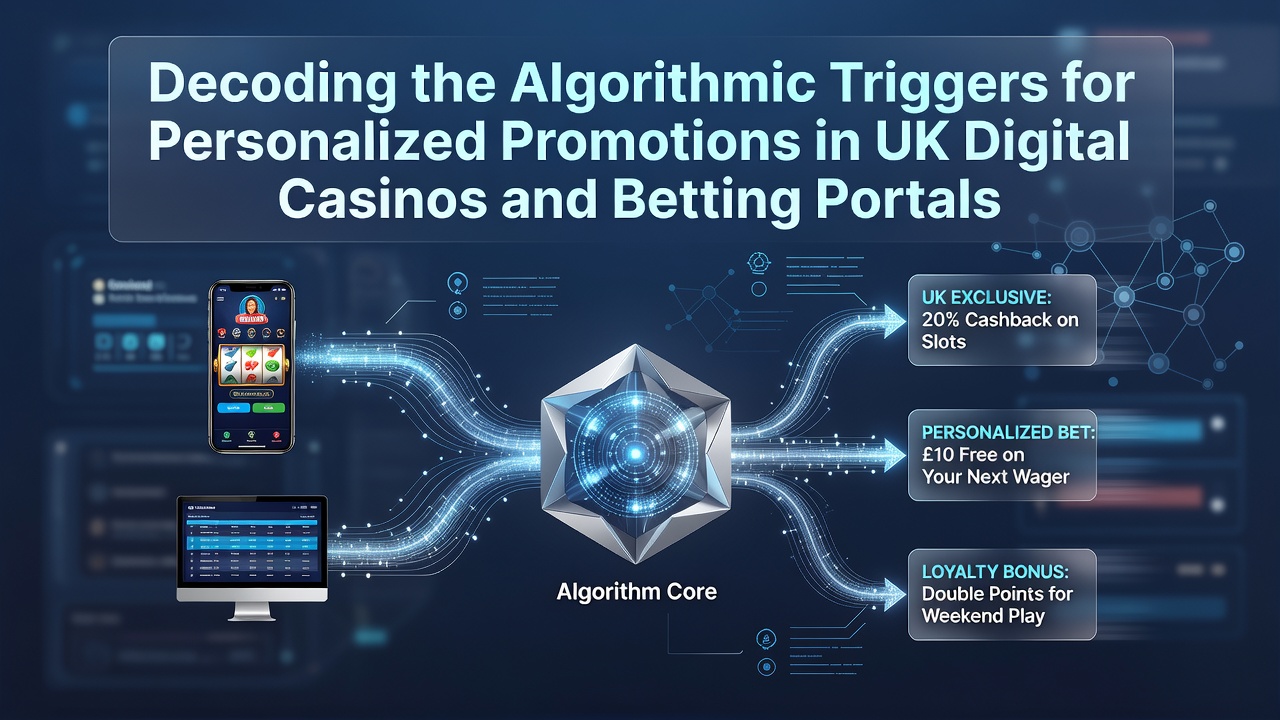
UK digital casinos and betting portals rely on sophisticated algorithms that analyze player behavior to generate tailored promotions, and these systems process vast amounts of data including session duration, wager patterns, and deposit frequency. Researchers have documented how such tools segment users into categories that trigger specific offers like bonus credits or free spins once certain thresholds are met. Data from industry reports shows that personalization engines often combine real-time inputs with historical profiles to adjust incentives dynamically throughout a user's activity cycle.
Core Data Inputs Driving the Systems
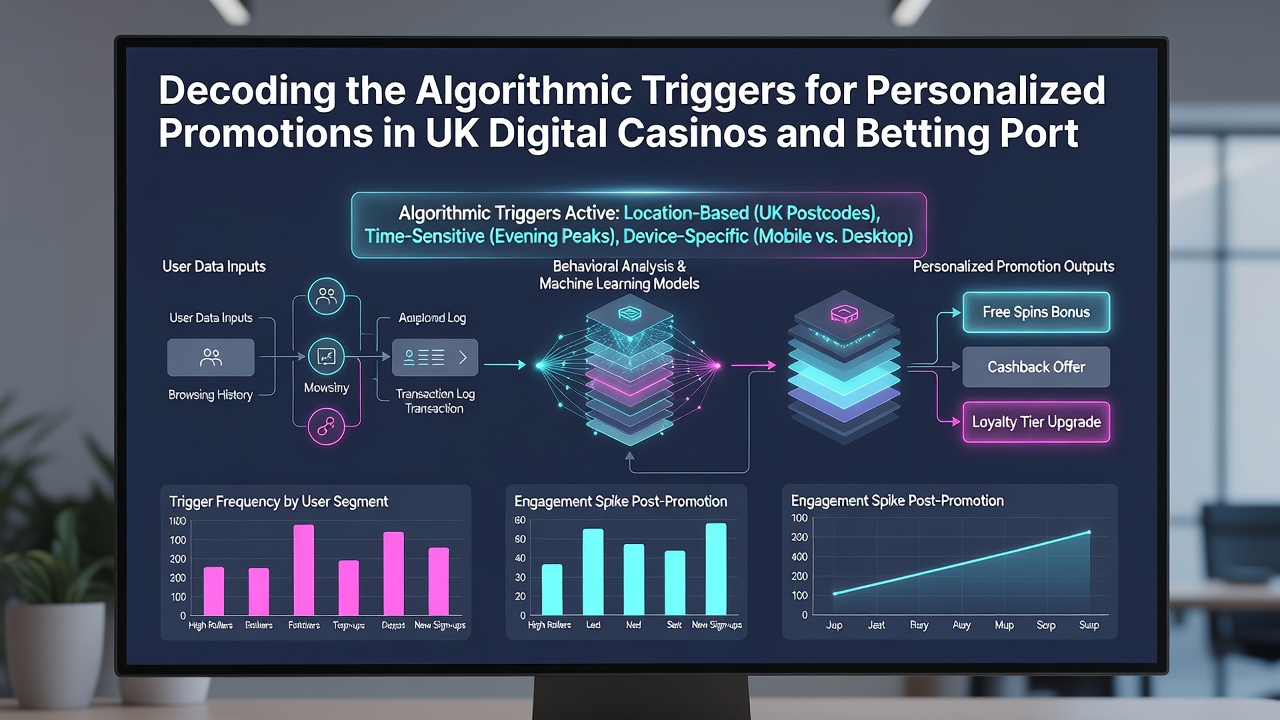
Algorithms pull from multiple layers of information that operators collect through account interactions and game telemetry, while machine learning models identify correlations between past actions and likely future engagement. For instance, a player who frequently uses live dealer tables might receive targeted reload bonuses on those specific games after a period of reduced activity. Observers note that deposit velocity and loss thresholds also factor heavily into the decision trees, prompting the system to activate retention offers before a user logs off for extended periods.
Studies from academic institutions in North America have examined similar frameworks, and one analysis published through the University of Nevada highlighted how behavioral clustering improves response rates to promotions by aligning offers with individual risk profiles. In the UK context, these same principles apply across sportsbooks where accumulator boosts activate based on bet volume in particular leagues or markets. The process operates continuously, updating triggers as new data streams in from mobile sessions or desktop logins.
Behavioral Thresholds and Timing Mechanisms
Systems often monitor time-based patterns such as evening login spikes or weekend wagering surges, then deploy time-limited promotions that expire within hours to encourage immediate returns. Evidence indicates that frequency metrics, including consecutive login days or average stake per spin, serve as primary signals for escalating reward tiers. Those who've reviewed operator documentation find that cross-game data, like shifting from slots to roulette, can unlock hybrid offers that blend elements from multiple verticals.
By August 2026, several platforms had integrated predictive modules that forecast churn windows with greater precision, allowing preemptive bonuses to land before users reduce their activity. This approach builds on earlier models that used simpler rule-based triggers, and current versions incorporate neural networks trained on anonymized datasets from millions of sessions. The result is a more fluid delivery of promotions that adapt within minutes rather than days.
Examples Across Casino and Sportsbook Platforms
One documented case involved a mid-tier casino operator that triggered a cashback promotion after a user completed 50 spins without a win, drawing directly from volatility calculations embedded in the algorithm. Sportsbooks apply parallel logic when they detect a player favoring certain football markets, then present enhanced odds on related events to sustain engagement. Figures from European trade associations reveal that such targeted campaigns achieve higher conversion rates compared with generic blasts sent to entire user bases.
Another layer involves loyalty point multipliers that activate when algorithms detect a drop in average bet size, nudging players back toward previous spending levels through temporary uplifts. These mechanics connect deposit history with game preference data to create offers that feel relevant rather than random. Industry reports from Canadian research centers have tracked similar implementations, confirming that the underlying mathematics relies on regression analysis to balance incentive costs against expected revenue retention.
Integration with Broader Platform Features
Personalized promotions rarely operate in isolation, and they often link directly to loyalty schemes where points accumulate faster once algorithmic conditions are satisfied. Live streaming features on betting portals can also feed into the trigger logic, with viewers who watch specific matches receiving related wager bonuses shortly after the event concludes. This interconnected design means that a single session can generate multiple layered offers based on sequential actions tracked in real time.
Operators continue to refine these systems through A/B testing that measures uptake across different user cohorts, and results feed back into model updates that sharpen future accuracy. The infrastructure supporting these triggers typically runs on cloud-based analytics platforms that handle the scale required for peak traffic periods like major football weekends.
Conclusion
Algorithmic triggers represent a core component of how UK digital casinos and betting portals manage player retention through data-informed personalization. These mechanisms draw on diverse inputs ranging from session metrics to predictive modeling, and they continue to evolve with advances in machine learning as of August 2026. External analyses from sources such as the European Gaming and Betting Association and studies in the Journal of Gambling Issues provide further context on the technical foundations behind these practices across regulated markets.